Our Curriculum
Intent, Implementation, and Impact
Intent
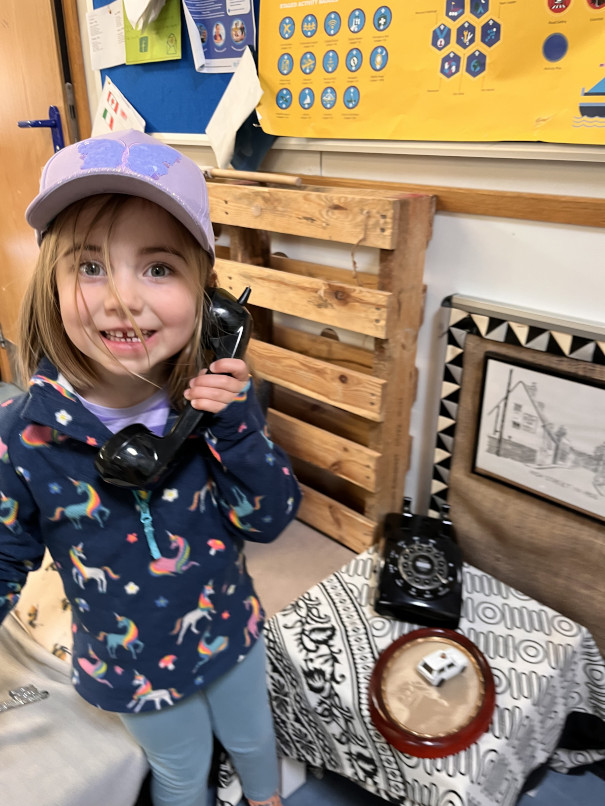
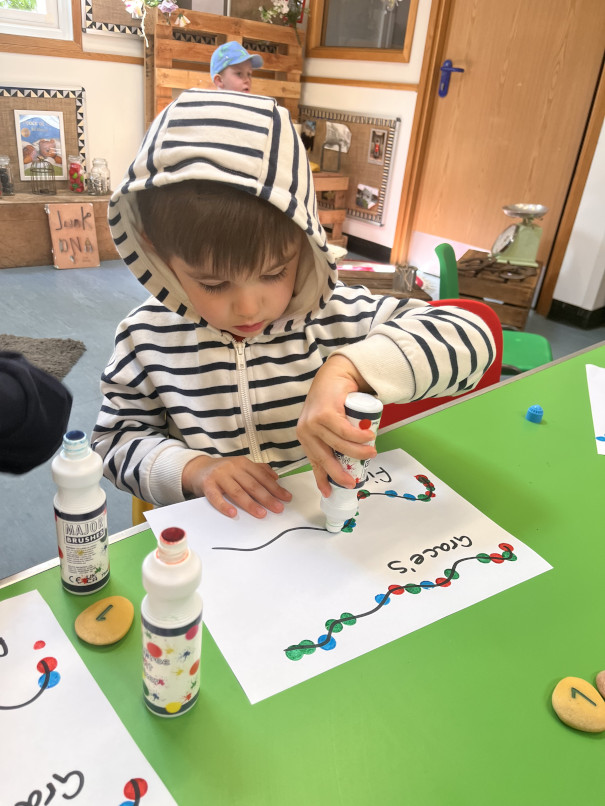
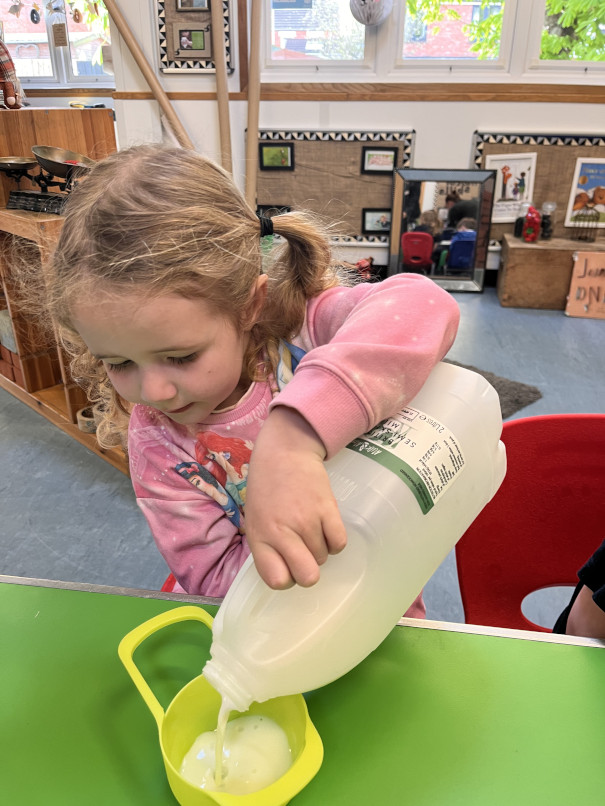
Our curriculum is unique to the child at that moment. Educators watch the children, studying how they lead their own play. Then by talking to parents and carers it gives the educators the starting point of the child’s current interests. Listening and observing the child provides clues about their curiosities and interests. When an educator analyses this data, it will give them a clear outline of how the child learns and develops. With the support of the learning and development requirements outlined within the Early Years Foundation stage through the educational programmes (statutory requirements) and with the support of the learning objectives within the Birth to Five (non-statutory framework). The seven areas of learning and development are used to shape the education that is offered in our setting, all of which are important and inter-connected throughout the curriculum that is delivered.
Implementation
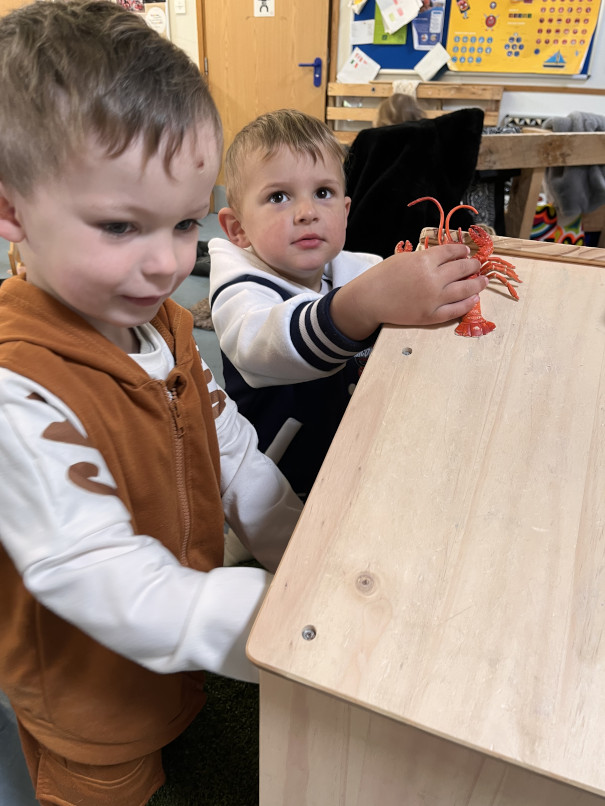
We then use our pedagogy to ensure that the curriculum is delivered in the most effective manner. We pride ourselves on having a child centred approach ensuring that our activities, questions, conversations, and choices of resources are pitched to the child’s individual needs and interests. All of this is achieved through play with the support of high-quality educators to child interaction. This approach supports a child to become independent, manage their socio-emotions, knowledge, self-confidence and independence. The adult interaction scaffold’s the child’s ideas and explores it further throughout “thinking together” (Dunkin, Hanna, 2001). All of the above is achieved through traditional free flow where key aspects of In the Moment Planning are supported by the Curiosity, Forest school and Montessori Approaches. The knowledge of development theorists is at the heart of our practice and the approach is structured to the individual child.
Impact
Our effective curriculum awards children with the skills and knowledge to be successful in the widest sense (Cultural Capital), which then enables children to achieve the Early Learning goals at the end of the EYFS and become independent, substantial thinkers throughout their upcoming years.