
My Child Is Starting School and Can’t Write Their Name
Should I Be Worried?
As children prepare to start school, many parents begin to worry about whether their child is “ready.” One of the most common concerns we hear is:
“My child can’t write their name yet. Are they behind?”
The simple answer is no.
While being able to write their name is a useful skill, it is not the most important indicator of school readiness. In fact, there are many other skills that are far more important when children begin their school journey.
School Readiness Is About More Than Writing
Starting school is a significant milestone, and children arrive with a wide range of experiences and abilities. Teachers do not expect every child to be able to write their name independently on their first day.
What matters most is whether children have developed the foundations that support future learning.
These include:
- Confidence to separate from parents and carers
- The ability to communicate their needs
- Listening and attention skills
- Curiosity and a willingness to learn
- Independence with personal care
- Social skills such as sharing and taking turns
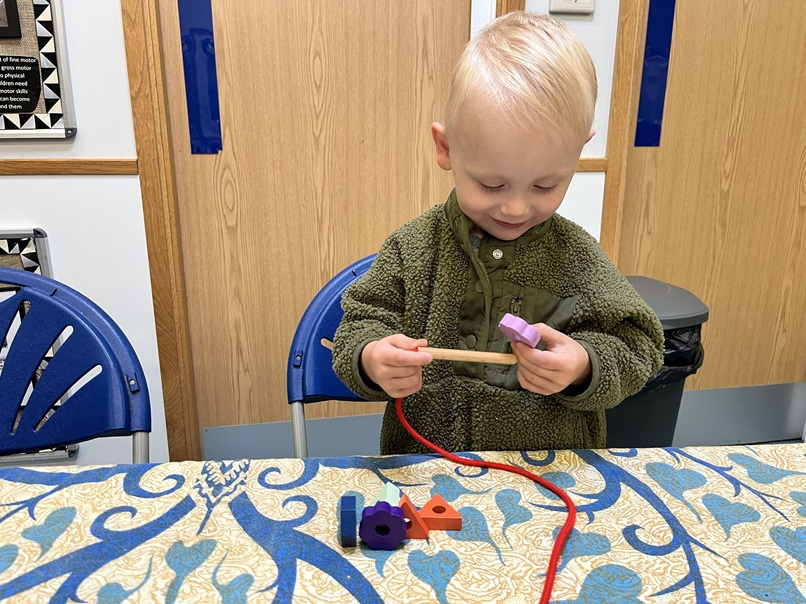
- Physical skills that support future writing
These skills help children settle into school and access learning successfully.
Writing Starts Long Before a Pencil
Many people think writing begins when a child picks up a pencil. In reality, writing starts much earlier.
Before children can write letters comfortably, they need to develop strength and stability throughout their entire body. Strong core muscles, shoulder stability, arm strength, and hand control all play an important role in supporting handwriting.
This is one reason why some young children may find writing tiring or frustrating. Holding a pencil, controlling marks on paper, and maintaining a comfortable position at a table requires physical strength that is still developing during the early years.
Children’s muscles, joints, and coordination continue to develop throughout childhood, and many children—particularly those who are highly active and learn best through movement—are still building the physical foundations needed for sustained handwriting. For some children, sitting still and controlling a pencil can feel far more challenging than running, climbing, balancing, or exploring outdoors.
This is why activities such as climbing, swinging, digging, balancing, building, carrying, pushing, pulling, and spending time outdoors are so important in the early years. These experiences strengthen the larger muscles of the body and provide the foundations needed for later writing skills.
Before children can control a pencil efficiently, they first need opportunities to develop:
- Core strength and posture
- Shoulder and arm stability
- Hand and finger strength
- Hand-eye coordination
- Balance and body awareness
A child who cannot yet write their name but is developing these important physical foundations is often exactly where they need to be in their learning journey.
Every Child Develops at Their Own Pace
Children learn and develop in different ways and at different rates. Some children become interested in writing early, while others focus their energy on developing physical skills, language, problem-solving, or imaginative play.
This is completely normal.
Starting school is not a race, and children do not all need to reach the same milestones at the same time.
Reception teachers are highly skilled at supporting children wherever they are in their development and helping them make progress from their individual starting points.
What Schools Really Want Children to Be Able to Do
When schools talk about readiness, they are often looking for children who can:
- Follow simple instructions
- Manage some personal care independently
- Join in with routines
- Express their wants and needs
- Build relationships with adults and peers
- Show resilience when things are challenging
- Explore and learn through play
These skills are often far more valuable in the first few weeks of school than being able to write a name.
How Parents Can Help
Rather than focusing solely on handwriting practice, parents can support school readiness through everyday experiences.
Encourage your child to:
- Climb, run, and play outdoors
- Build with blocks and construction toys
- Use playdough and malleable materials
- Draw, paint, and mark-make for fun
- Listen to stories and talk about them
- Practise putting on coats and shoes independently
- Take turns and play games together
These activities help develop the foundations children need to become successful learners.
The Bigger Picture
At our provision, we believe childhood should not be rushed. Writing a name is a skill that can be taught and developed over time. What is far more important is that children start school feeling confident, capable, curious, resilient, and ready to engage with new experiences.
If your child cannot yet write their name, try not to worry. Their journey as a writer is only just beginning, and school will help them build those skills step by step.
Every child starts from a different place, and that is exactly as it should be. What matters most is not whether a child can write their name on their first day, but whether they have the confidence, wellbeing, physical development, and love of learning that will help them thrive throughout their school years.