The Importance of a Balanced Diet in the Early Years
At our provision, we support children to develop healthy attitudes towards food. A balanced diet is important for growth, energy, development, and overall wellbeing. However, we also recognise that all foods can have a place in a child’s diet when enjoyed in moderation.
There is no such thing as “good” or “bad” food. Instead, we aim to teach children that some foods help our bodies grow and stay healthy most of the time, while other foods are enjoyed occasionally as part of a balanced approach.
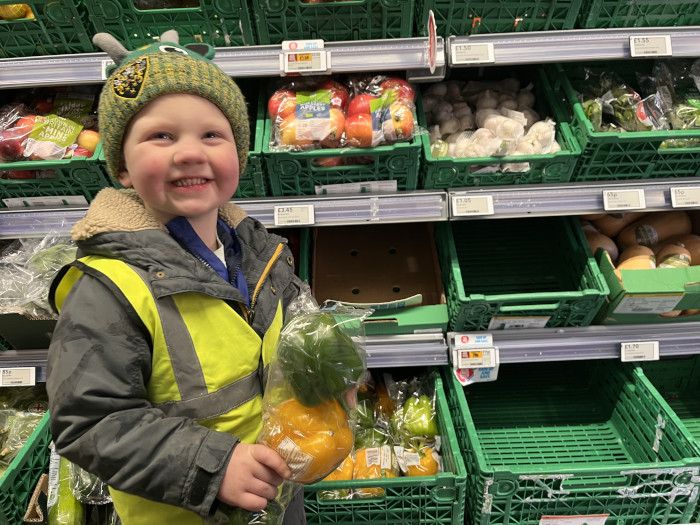
Why Nutrition Matters in Early Childhood
The early years are a time of rapid growth and development. A balanced diet helps children to:
- Develop strong bones and muscles
- Support brain development and concentration
- Maintain energy for play and learning
- Build a healthy immune system
- Establish positive lifelong eating habits
Good nutrition supports all areas of development within the Early Years Foundation Stage (EYFS).
All Foods Can Have a Place
It is important that children learn a healthy, positive relationship with food. Labeling foods as “bad” can create guilt or confusion around eating.
Instead, we teach that:
- Some foods are everyday foods (such as fruit, vegetables, bread, rice, pasta, dairy, and protein foods)
- Some foods are occasional foods (such as sweets, chocolate, crisps, cakes, and foods higher in fat, salt, or sugar)
Both types of food can be enjoyed as part of a balanced diet.
Sugar and Fats – What Parents Should Know
Sugar and fats often get a negative reputation, but they are not “bad” in themselves. Children need some fats for brain development and energy, and carbohydrates (including sugars) are a natural part of many foods.
The key is balance:
- Foods high in sugar or fat are best enjoyed in moderation
- They should not replace regular nutritious meals
- A varied diet is more important than strict restriction
Restricting certain foods completely can sometimes increase children’s interest in them, so a balanced and relaxed approach is often more effective.
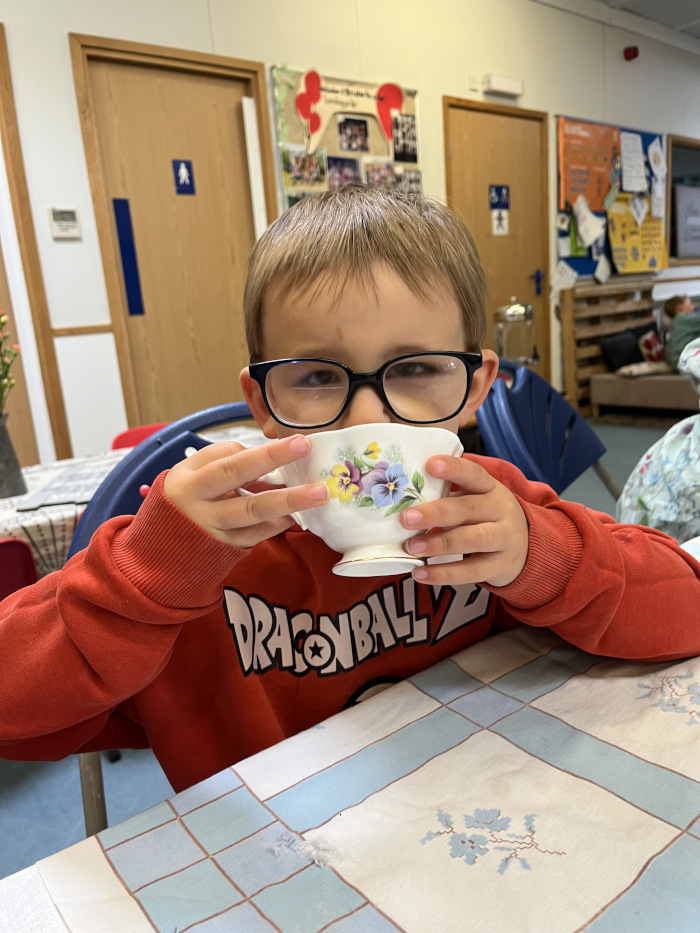
Treats Have a Place
It is important to remember that treats are a normal and healthy part of life when given in moderation. Having a treat occasionally, whether at home or in our provision, does not harm children.
Treats can be part of positive experiences, celebrations, and social occasions. When enjoyed in a balanced way, they do not negatively impact a child’s overall health or development.
What matters most is the overall pattern of eating, not individual foods or occasional treats.
Building Healthy Attitudes Towards Food
In the early years, it is just as important to focus on how children feel about food as what they eat.
We support children to:
- Try a variety of foods without pressure
- Understand that all foods can be enjoyed occasionally
- Listen to their own hunger and fullness cues
- Develop positive, relaxed mealtime experiences
- Avoid anxiety or shame around eating
Mealtimes should be calm, social, and enjoyable experiences.
Role Modelling and Consistency
Children learn a great deal from adults. When parents and practitioners demonstrate balanced eating habits, children are more likely to develop healthy attitudes towards food.
We encourage:
- Eating together where possible
- Offering a variety of foods over time
- Avoiding labelling foods as “good” or “bad”
- Keeping a positive tone around mealtimes
Supporting Children in Our Provision
At our provision, we aim to provide balanced meals and snacks where possible and support children to develop independence and awareness around food choices.
We work in partnership with families to ensure consistency and understanding, recognising that every child’s dietary needs and preferences may differ.
A Balanced Approach for Lifelong Health
Healthy eating is not about perfection or restriction. It is about balance, variety, and developing a positive relationship with food.
By teaching children that all foods can have a place, including occasional treats, we help them grow into confident eaters who understand how to look after their bodies without fear or guilt.