Why Your Child Should Be
Starting to Dress Themselves
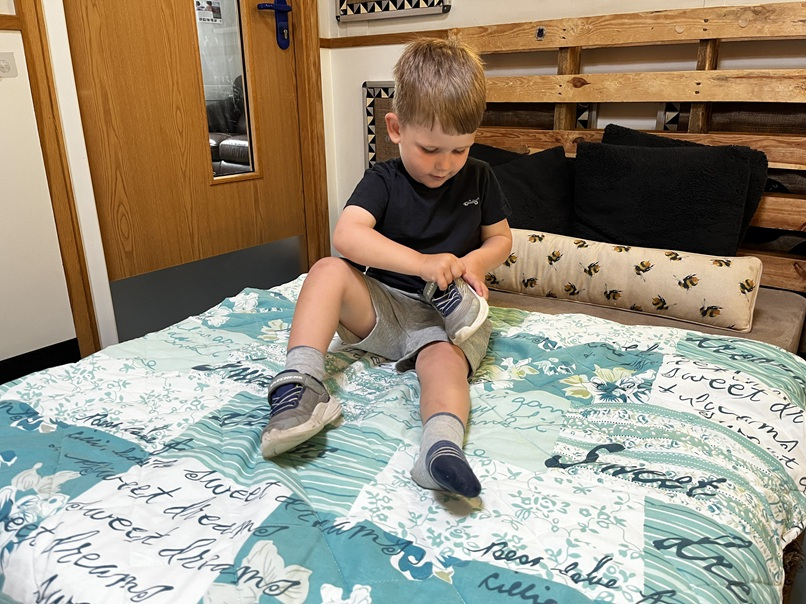
Learning to dress independently is an important part of early childhood development. It is not just about putting clothes on and off—it is about building confidence, coordination, problem-solving skills, and independence.
In the Early Years Foundation Stage (EYFS), developing self-care skills is a key part of becoming school ready.
Why Dressing Skills Matter
When children learn to dress themselves, they are developing much more than practical ability. They are also building:
- Independence and self-confidence
- Fine and gross motor skills
- Hand-eye coordination
- Problem-solving skills
- Perseverance and resilience
- Understanding of routines and sequencing
These skills all support a smooth transition into school life.
Dressing Supports School Readiness
In school, children are expected to manage many tasks independently, including:
- Putting on and taking off coats
- Changing for PE
- Managing shoes, socks, and jumpers
- Using the toilet independently
Children who can begin to dress themselves are often more confident and settled in the school environment because they can manage these daily routines with less adult support.
It Takes Time – and That’s OK
Dressing is a complex skill for young children. It requires coordination, strength, patience, and memory. Things like buttons, zips, and fastening shoes can be particularly challenging at first.
It is important to remember:
- Children do not need to be fully independent before starting school
- Struggling is part of the learning process
- Repetition is key to building confidence
- Every child develops at their own pace
Adults supporting children calmly and consistently helps them to succeed.
How Dressing Builds Physical Skills
Dressing helps children develop the physical foundations needed for many areas of learning.
These include:
- Shoulder and arm strength (pulling coats on, lifting arms)
- Fine motor control (buttons, zips, fastening Velcro)
- Bilateral coordination (using both hands together)
- Core stability and balance (standing while dressing)
These same skills later support writing, cutting, and other classroom tasks.
How You Can Help at Home
There are many simple ways to support your child:
- Allow extra time for dressing and undressing
- Encourage your child to try before stepping in
- Break tasks into small steps (e.g., “first your arm, then your head”)
- Choose clothes that are easy to manage at first
- Practice dressing during calm, unhurried times
- Praise effort, not just success
Even small attempts help build confidence.
Independence Builds Confidence
When children learn to dress themselves, they begin to see themselves as capable and independent. This sense of achievement is important for their emotional wellbeing and helps prepare them for the expectations of school life.
At our provision, we encourage children to take part in self-care routines daily, supporting them to build the skills they need at their own pace.
A Key Step Towards School Readiness
Dressing independently is a valuable life skill that supports both physical development and emotional confidence. It is one of the many small steps that help children become ready for the next stage in their learning journey.
With patience, encouragement, and practice, children gradually gain the skills they need to manage their own dressing and feel proud of their independence.their own pace.